Craft21 July 20264 min read
A short defence of finishing things
An unfinished piece teaches you almost nothing. Everything useful is on the other side of calling it done and letting somebody read it.
By Mara Ellison, Editor
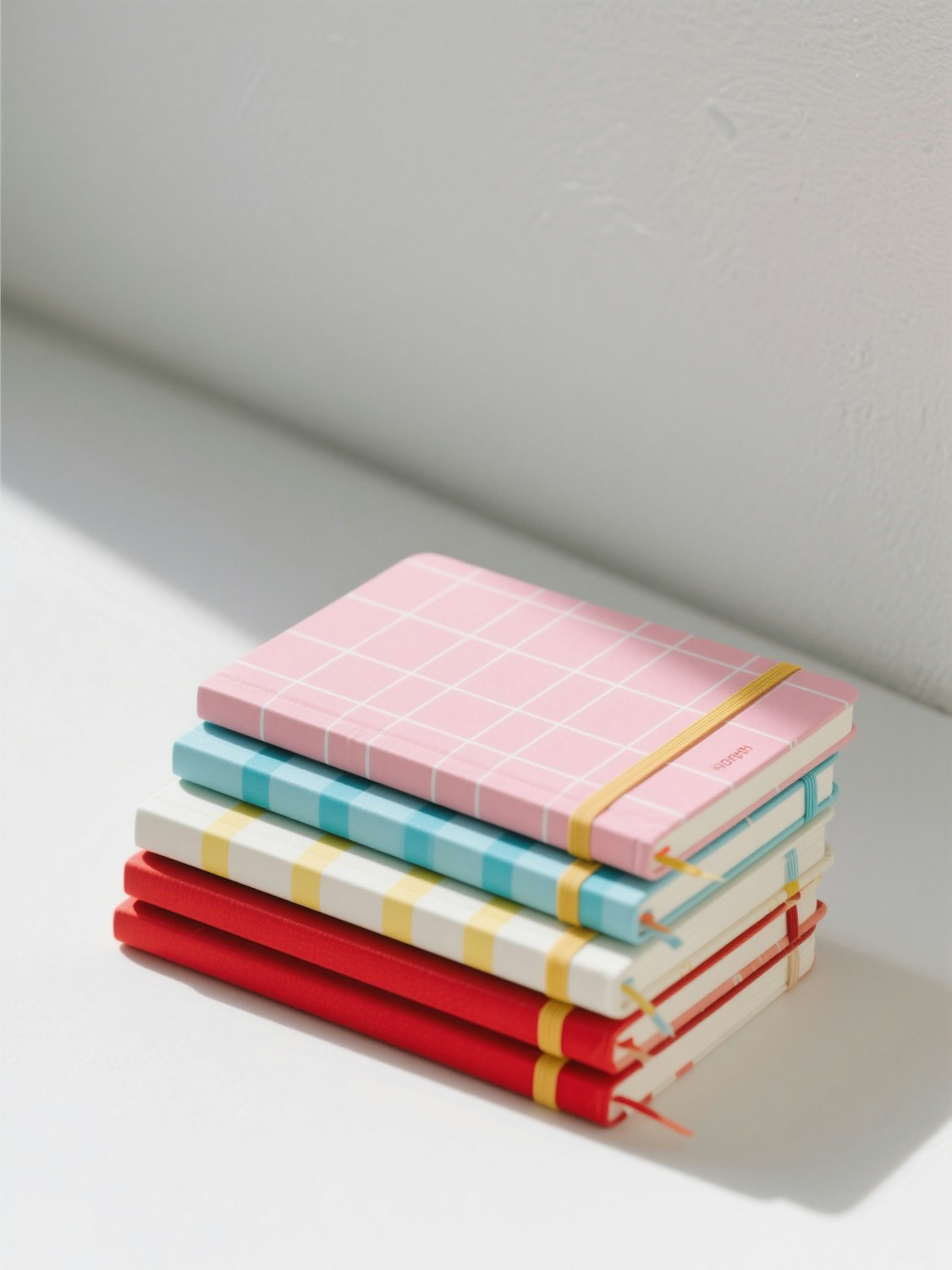
There is a drawer, literal or otherwise, and it is full. Drafts at eighty per cent. Projects abandoned at the interesting part, right before the boring part that would have made them real.
The last ten per cent is where the learning is
Starting is pleasant and instructive up to a point. But the skills that separate an amateur from a professional almost all live at the end: cutting your favourite paragraph because it does not serve the piece, choosing a title, deciding the thing is good enough to have your name on.
Abandon a project at eighty per cent and you have practised the first eighty per cent again. Do that for years and you become extremely accomplished at beginnings.
Finished is a decision, not a state
Nothing is ever done in the sense of being beyond improvement. Waiting for that feeling means waiting for a signal that does not exist, and calling that patience.
Perfectionism, examined closely, is usually just a socially acceptable way of never being judged.
Make the finish cheap
If shipping is expensive, you will do it rarely and it will feel enormous every time. So make it small and routine:
- Set a fixed length and stop there.
- Set a date before you begin, and treat it as real.
- Publish somewhere low-stakes first, so the act itself stops being an event.
Finishing badly, on time, repeatedly, will make you better than finishing perfectly, once. The drawer is not a portfolio. It is only a drawer.